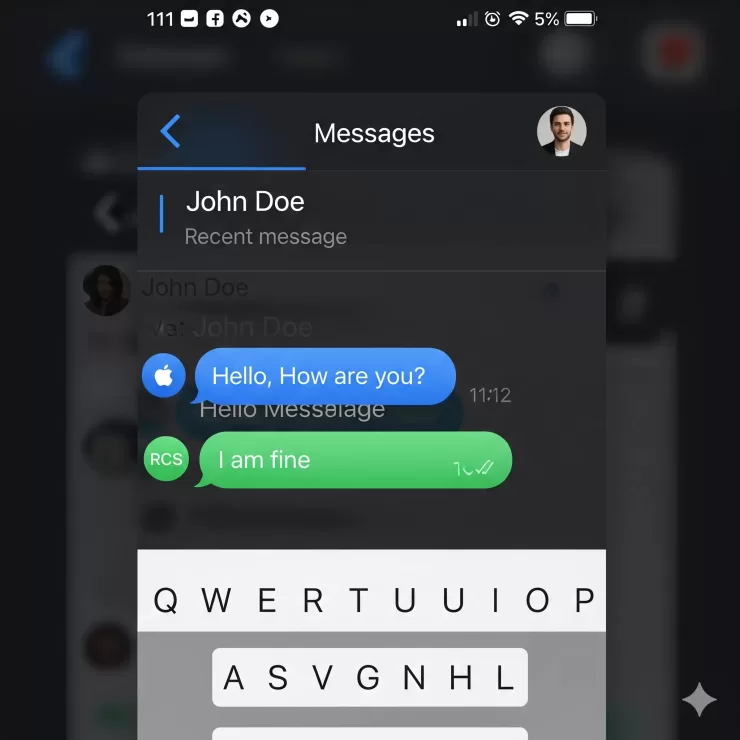
For years, a silent divide has existed in the world of messaging: the “blue bubble” of iMessage and the dreaded “green bubble” of SMS. This color-coded conversation created a frustrating experience for users trying to communicate across platforms, with blurry photos, broken group chats, and a lack of modern features. But now, a major shift is underway in India.
In a landmark move, Apple has partnered with Reliance Jio, India’s largest telecom provider, to bring Rich Communication Services (RCS) messaging to iPhones. This collaboration promises to transform the messaging landscape for millions of users, finally bridging the gap between iPhones and Android devices.
What is RCS and Why Does It Matter?
RCS is an industry-standard messaging protocol designed to be the successor to the decades-old SMS (Short Message Service). Think of it as a significant upgrade to your regular text messages. It brings many of the features we’ve come to expect from modern chat apps directly to your default messaging app.
With RCS on your iPhone, you can now enjoy:
High-Resolution Media: Say goodbye to grainy, compressed photos and videos. RCS allows you to send and receive high-quality media files without a hitch.
Read Receipts and Typing Indicators: Know when your message has been delivered, read, and when someone is typing a reply—just like in iMessage or WhatsApp.
Enhanced Group Chats: Get a better group messaging experience with features like the ability to name groups, add or remove participants, and share files seamlessly.
Messaging over Wi-Fi or Mobile Data: Unlike traditional SMS which relies on cellular networks, RCS messages can be sent over any internet connection, meaning you can stay connected even without network coverage.
No Extra Cost: For Jio users, this service is enabled at no additional charge, making it a powerful and free alternative for richer communication.
The Significance of the Apple-Jio Partnership
Apple’s adoption of RCS is a significant step, and its choice to first partner with Jio in India is no coincidence. India is a key market for both companies, with Jio boasting a massive subscriber base of over 494 million. This partnership provides a crucial launchpad for the widespread adoption of RCS in a country where messaging is heavily dominated by apps like WhatsApp.
For Apple, this move is a strategic one, reflecting a global trend toward more open and interoperable platforms. It addresses years of pressure from regulators and consumers to break down the “green bubble” barrier and provides a better user experience for its customers who frequently communicate with Android users.
For Jio, the partnership solidifies its position as a forward-thinking telecom provider and a leader in digital services. It provides a new value-added service to its enormous user base, strengthening its ecosystem and offering a competitive alternative to third-party messaging apps.
What’s Next for RCS in India?
While the Apple-Jio tie-up is a game-changer, the story of RCS in India is just beginning. Other major players like Airtel have been hesitant to adopt the standard, citing concerns over potential spam messages. However, with Apple and Jio now leading the charge, and Google already integrated with other carriers, it’s likely that a more unified RCS ecosystem will emerge.
The full potential of RCS will be realized when it becomes a universally accepted standard across all carriers and devices, ensuring a seamless experience for every user, regardless of their phone or network. For now, the “blue tick” is coming to iPhones in India, and it’s a huge win for richer, more connected conversations.




Leave a Reply